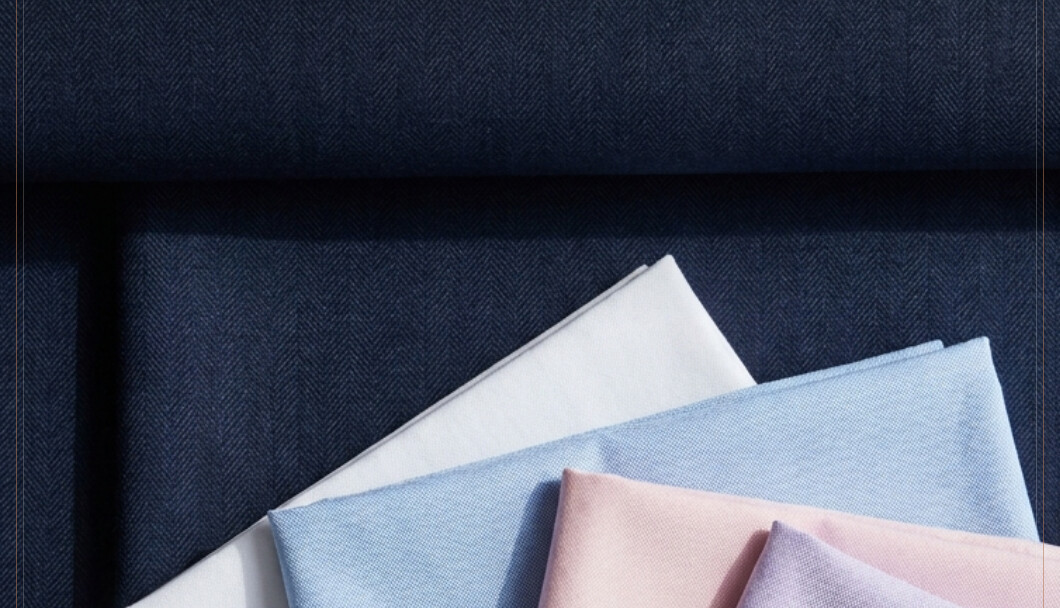
How to Build a Dress Shirt Collection for a Professional Wardrobe
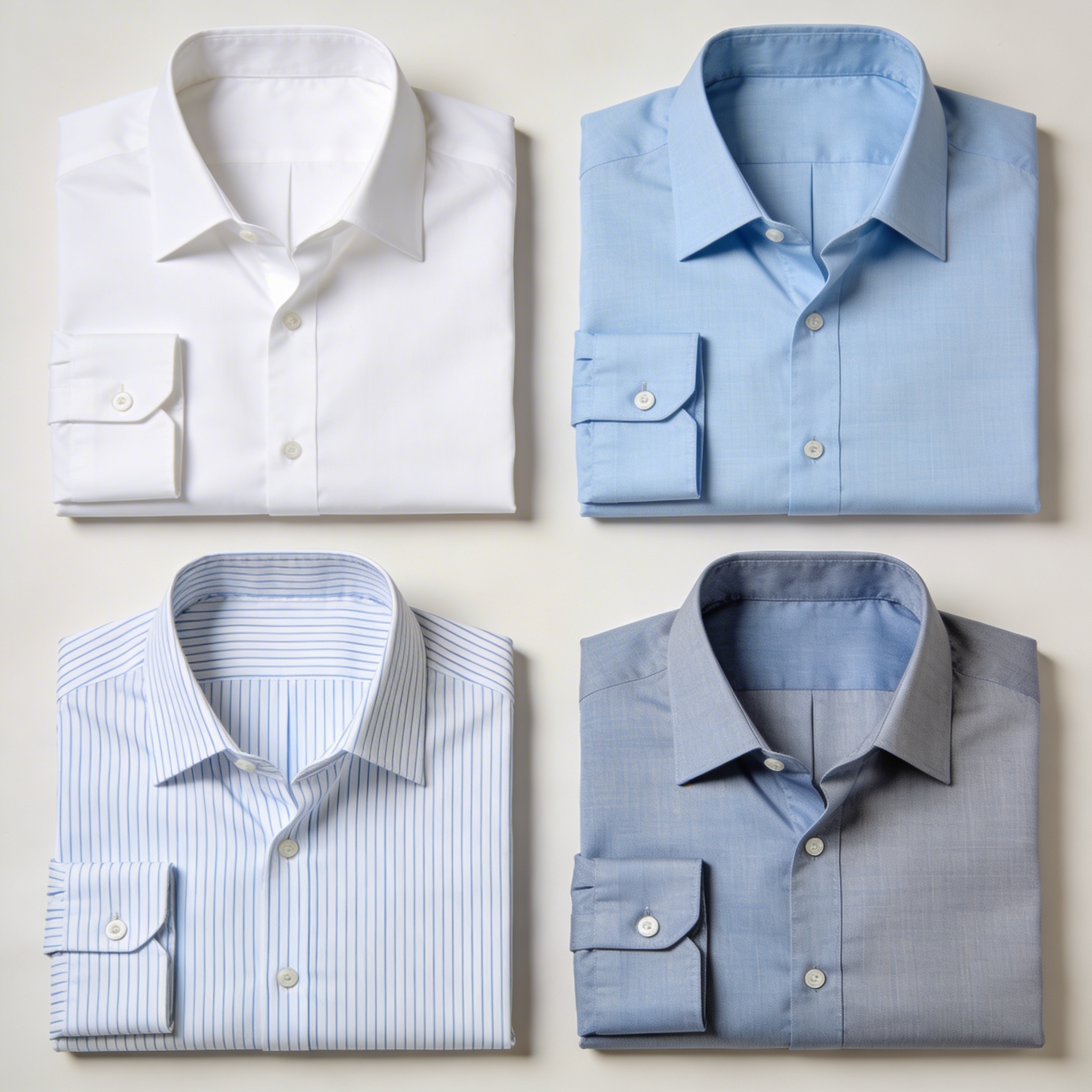
How many shirts do you need? What colours come first? Here's how to build a professional dress shirt collection in the right order.
The dress shirt is the most-used item in a professional man's wardrobe. It is worn more often than any suit, requires laundering more frequently, and is visible in more of your interactions than any other garment. Despite this, most men have a collection of shirts that were assembled without intention and often do not work well together.
Here is how to build a shirt collection the right way.
How Many Shirts You Actually Need
The practical rule: two to three shirts per suit you own. This ratio ensures you have enough to rotate through a full work week, allow shirts to be laundered between wearings, and avoid wearing the same shirt twice in the same week when wearing the same suit.
With one suit: two shirts minimum, three preferred.
With two suits: five shirts allows for a full five-day rotation with one spare.
With four suits: eight to twelve shirts covers the full week across the rotation.
The Cardero wardrobe system builds to these ratios. The Foundation package includes one suit and two shirts. The Core package adds a second suit and five shirts total (seven across both packages). The Professional build reaches four suits and eight shirts. For the full framework of how the wardrobe stages work, and in what order to build, the capsule wardrobe guide for professional men maps out each step.
The Order of Colours
The shirt collection should be built in order of versatility, starting with the colours that work across the most professional situations.
White first. A white shirt is the most versatile dress shirt that exists. It works with every suit colour, every tie, every pocket square, and every occasion from a job interview to a black-tie dinner. A white shirt in good fabric that fits correctly is the single most useful garment in a professional wardrobe.
Light blue second. The second most versatile shirt colour. Light blue works with navy and charcoal suits, reads as professional and approachable, and adds visual variety without complexity.
These two shirts form the foundation of any professional shirt wardrobe. Everything after them is an addition to a working system rather than a necessary component.
After white and light blue, the order depends on your specific wardrobe and professional context. Pale pink or soft lavender for men in environments where colour adds a useful signal. Light grey for a quieter, more restrained register. Subtle patterns (fine stripes, micro-checks) after solid colours are established.
What Custom Changes
Most men have worn many dress shirts before wearing one that actually fits. The difference is significant enough that wearing a custom shirt after years of approximate fit can feel like the first time wearing a shirt correctly.
The collar sits on the neck without gaping or pulling. The chest fits without billowing at the sides. The sleeve length ends exactly at the wrist bone, so the correct amount of cuff shows below the jacket. The shoulder seam sits at the shoulder rather than dropped down the arm.
These are not subtle differences. They are visible from across the room.
At Cardero, shirts are built from the same 21-measurement file as the suits. The collar is cut to your neck circumference and adjusted for your neck shape. The chest and waist are tapered to your body. The sleeve length accounts for your arm and the jacket you wear it with. For the complete guide to what changes when a shirt is built to your measurements, the custom dress shirts guide covers every fit point in detail, collar, chest, sleeve, and fabric.
The Fabric Difference
A custom shirt at Cardero is made in 100 percent two-ply cotton. Two-ply cotton is stronger, smoother, and more durable than single-ply cotton at the same thread count. It softens with washing rather than breaking down.
A shirt made in quality two-ply cotton in white or light blue will outlast multiple lower-quality alternatives and will look correct at the end of its life in a way that a cheap shirt never does at the beginning.
The Laundering Reality
Shirts are laundered after every wearing. This means the fabric faces more wear cycles than a suit, which is dry-cleaned far less frequently.
A quality shirt that is washed and hung to dry (rather than tumble-dried) will last years. A cheap shirt in low-quality cotton will show collar fraying, underarm discolouration, and general degradation within 12 to 18 months of regular use.
The cost per wearing on a $199 custom shirt worn 50 times per year over three years is approximately $1.33 per wearing. The cost per wearing on a $40 shirt worn 50 times per year for 18 months before replacement is approximately $0.53. The more expensive shirt is better in every way except the initial price.
Design Details Available on Custom Shirts
Contrasting collar and cuff: $10. A white collar and cuff on a coloured or patterned body adds visual interest and is a traditional shirt detail.
Monogram: $10. Usually placed at the cuff or just above the chest pocket.
Double cuff: no additional cost. A choice of button or French cuff, depending on whether you wear cufflinks.
Book a free appointment at carderoclothing.com/reserve.
A closet full of clothes and nothing that goes together? A curated capsule fixes that. We build it to your work and your life, in the right order. Start with the two-minute style quiz.
Take the Style Quiz